What is Hajj?
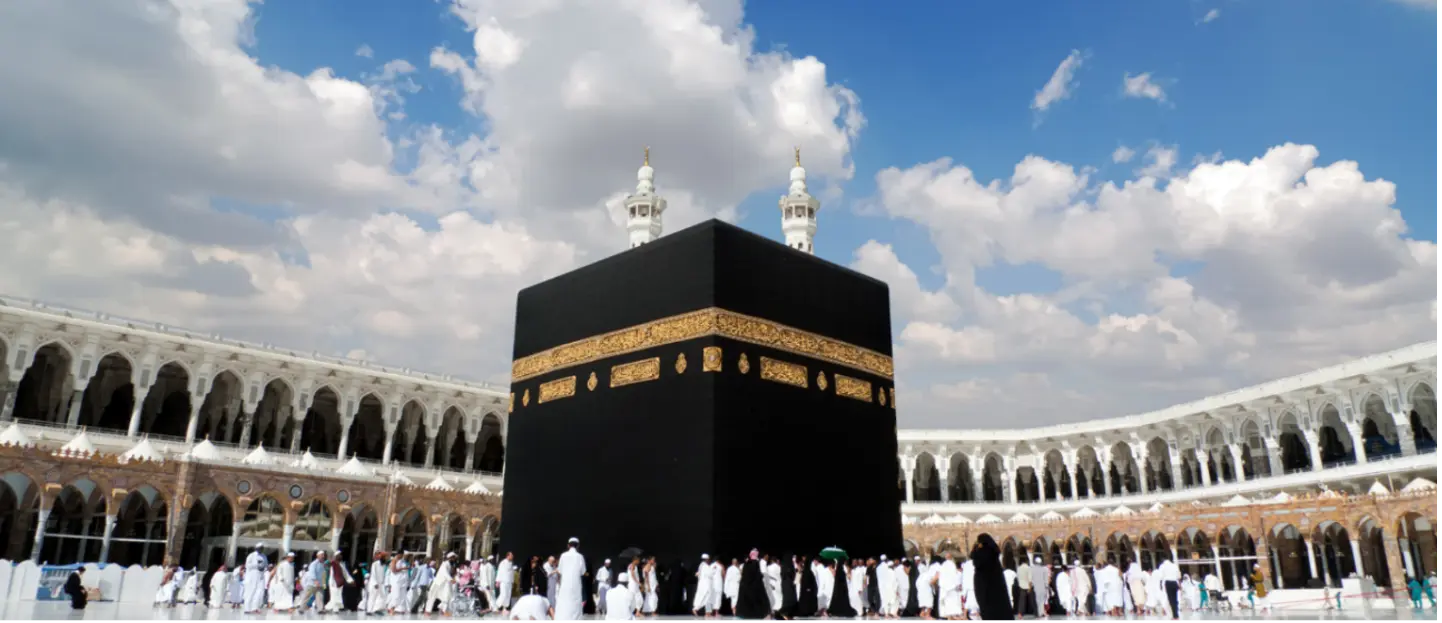
Dhul Hijjah is one of the most sacred months in the Islamic calendar. It is the month when the sacred pilgrimage of Hajj is performed by Muslims at the holy Masjid al-Haram and other sites in Makkah in Saudia Arabia.
The Hajj is a spiritual, physical, financial and emotional undertaking, which is supposed to be an opportunity to draw closer to Allah (swt), cleanse and purify oneself of sins and re-emerge spiritually invigorated and connected. With millions of pilgrims all trying to perform the scared rites in the prescribed time and order, it is also an immense test of patience, understanding and compassion. The Hajj itself follows a prescribed set of rites and rituals across 5-6 days commemorating the faith, devotion and surrender of the father of Prophets, Prophet Ibrahim (as) to the Almighty.
Hajj forms one of the five pillars of Islam. This year, Hajj is expected to take place between 4th June – 9th June (8th – 13th of Dhul Hijjah in the Islamic calendar). As the Islamic calendar is lunar based, the Hajj dates move forward by 11-12 days each year in the Gregorian calendar.
Where does Hajj take place
The Hajj takes place in a number of locations in Makkah in Saudia Arabia.
- The city of Makkah and place of Masjid al-Haram
- The tent settlement of Mina where pilgrims stay for 5 -6 days
- Mount Arafah where prayers are offered from Dhur to Maghrib
- Muzdalifah where weary pilgrims spend the night under the open sky
Who can perform Hajj
Every adult male and female with the financial resources to undertake the pilgrimage without causing hardship to their families and dependents can perform Hajj at the prescribed time.
The sick, elderly and physically weak are exempt from having to perform Hajj.
If a person is in debt then the Hajj is not permitted for them unless they pay off their debt, the Hajj does not affect their ability to pay off their debt or their creditor permits them to go.
Eid al-Adha
Eid al Adha is a celebration of the completion of the most sacred Hajj rights with the symbolic stoning of Shaytaan to follow in the coming three days. Eid al-Adha also commemorates Prophet Ibrahim’s (as) total belief and submission to Allah (swt) because he was willing to obey Allah’s (swt) command to sacrifice his beloved son Ismail (as). A sacrificial lamb appeared in place of the child, but Prophet Ibrahim’s (as) faith remains the unsurpassed beacon of pure faith and is remembered through Qurbani (sacrificing an animal on Eid).
The best 10 days
“There are no days on which righteous deeds are more beloved to Allah than these ten days.”
(Sahih Bukhari)
These sacred days offer an opportunity for Muslims to engage in charity, fasting, prayer, and perform good deeds — each one multiplies your rewards and draws you closer to Allah (swt).
Why Giving Sadaqah in Dhul Hijjah Matters
Charity in Islam holds a high status and is greatly beloved by Allah (swt). The first ten days of Dhul Hijjah are an exceptional time to give and earn multiplied rewards.
The Qur’an reminds us:
This is a time to give your Sadaqah and Zakat in ways that truly change lives. When you give Dhul Hijjah donations to LRBT, Pakistan’s largest free eye care provider, you help restore sight, renew hope, and open up future opportunities for people suffering with sight loss who cannot afford the treatment.
Every charitable act you do in these days is multiplied. That includes giving to save someone’s vision.
The Virtue of fasting in Dhul Hijjah
Alongside charity, fasting during these days, especially on the Day of Arafah (9th Dhul Hijjah) is highly encouraged. Each act of worship is magnified in reward.
“The Prophet Mohammad PBUH used to fast on the first nine days of Dhul-Hijjah”
[Abu Dawood, 2/462]
